
← Equipment management glossary
Also called: maintenance work order, job card.
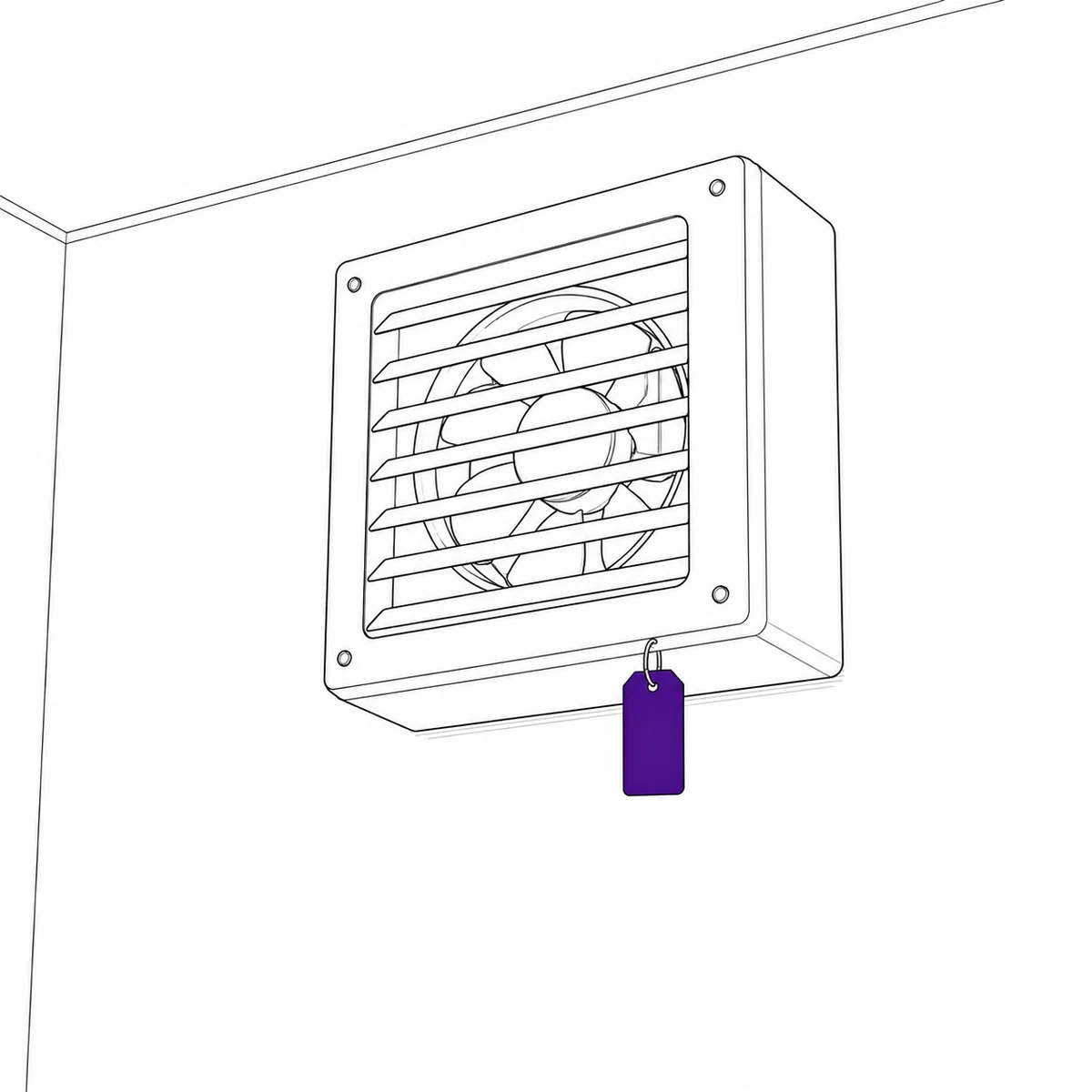
Somebody mentioned the extractor fan in a corridor. Three weeks later somebody mentioned it again. Nobody could say whether anyone had looked at it in between.
A work order exists to make maintenance trackable rather than verbal. Its value is entirely in having states.
The states are the point
Raised
A fault report, or a task falling due from a schedule. The moment it stops being a conversation.
Approved
Where cost or access needs a decision before work starts.
Assigned
To a named person, which is what makes “who is it with?” answerable.
In progress
Including waiting on parts, which is the state supervisors most often need to see and the one informal systems cannot express.
Complete
What was actually done, parts used, time taken, cost — and whether the fault is resolved or merely worked around.
Anything that skips straight from “someone mentioned it” to “someone maybe fixed it” is not a work order, whatever it is called.
Planned and reactive
Planned work orders come from a maintenance schedule and appear on their own when due. Reactive ones start with a fault someone reported.
The ratio between the two is one of the more honest measures of a maintenance operation. Heavily reactive means firefighting, and it usually shows up alongside high unplanned downtime and rising repair spend.
What a closed work order leaves behind
Closure should produce a record, not just clear a queue: what was actually done as opposed to what was requested, parts used, time taken, cost, and whether the underlying fault is resolved or merely worked around.
That last distinction is what stops the same fault being fixed four times, and it is only visible if fault reports and completed work are linked to the same item.
What goes wrong without it
Maintenance requested verbally has no state, so nobody can say what is outstanding, work gets duplicated or forgotten, and the same recurring fault is repaired repeatedly without anyone noticing the pattern.
How Itefy handles it
Itefy handles this with issue tickets and scheduled maintenance rather than a separate work-order module: a reported fault becomes a tracked issue, can be scheduled as a repair, and closes into the item's service history with cost. Read more.