
← Equipment management glossary
Also called: asset label, asset tagging.
The tag was on the underside of the housing. During the count four people knelt on the workshop floor looking for it. On the fifth machine somebody gave up and wrote the name down instead.
Placement decides whether tagging survives its first year. Three rules cover almost all of it.
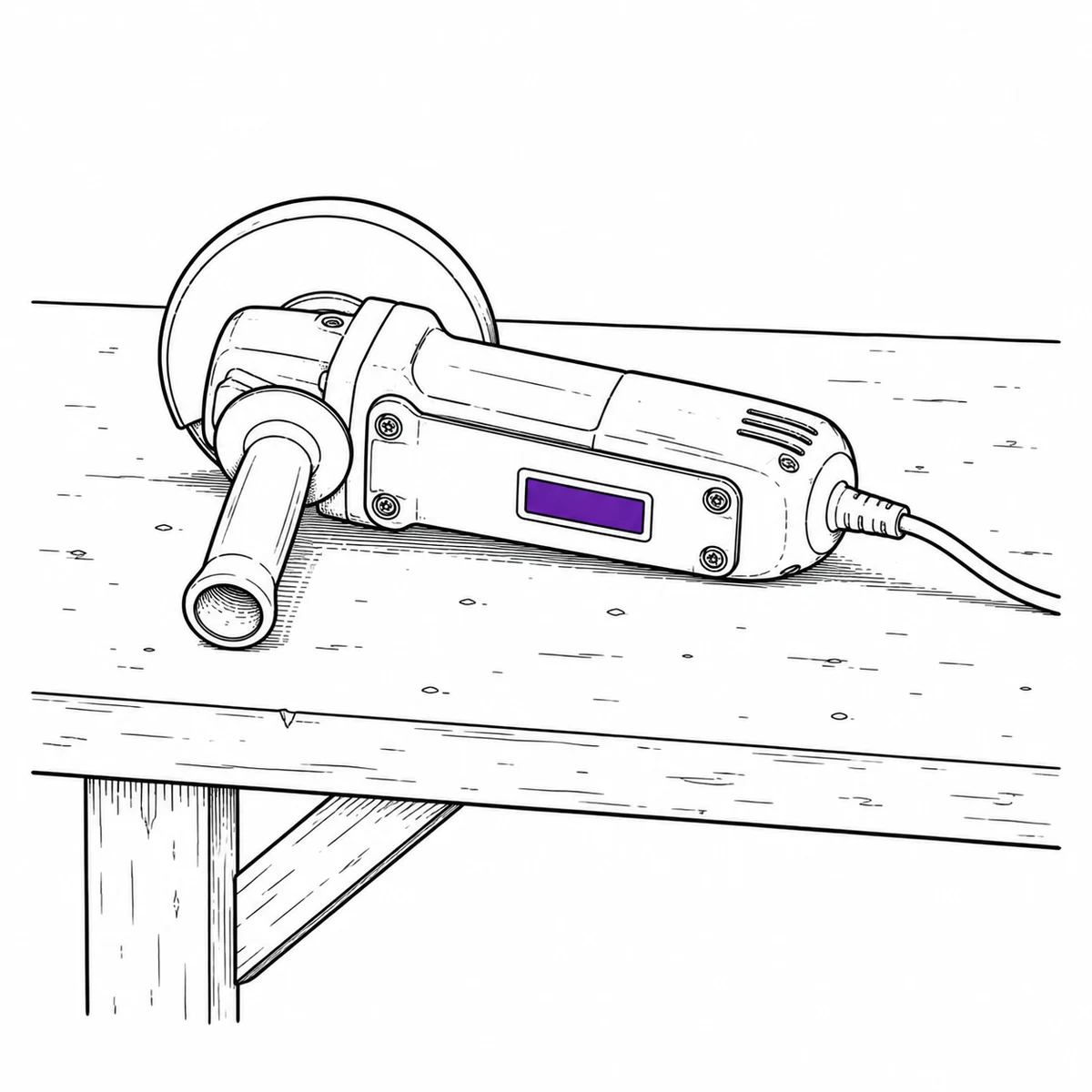
Where the label goes
Visible without dismantling
A tag that requires disassembly will not be scanned during a count, which is the moment it exists for.
Flat
Curved and textured surfaces defeat both the adhesive and the scanner.
Out of the grip path
The spot people naturally hold is the spot the label wears off.
Apply the same convention across each equipment type. Counters who know where to look move several times faster than counters who have to search.
Choose material for the environment, not the price
Paper labels are fine on office equipment that lives indoors and gets handled gently. Everything else needs more: polyester or vinyl for workshops, laminated or anodised metal for outdoor plant and anything subject to heat, solvents or pressure washing.
Tamper-evident tags, which destroy themselves on removal, are worth the premium on high-theft-risk items. So is a second, hidden tag on genuinely valuable equipment — recovery is much easier when a thief has only found one label.
Numbering schemes: keep them meaningless
The temptation is to encode meaning — department, category, purchase year. It reliably backfires: departments reorganise, categories get renamed, and equipment moves. You end up with tags that assert things which are no longer true, and staff who trust the tag over the record.
Use a plain sequential number and keep the meaning in the database, where it can change. The tag's only job is to be unique and readable.
What goes wrong without it
Untagged equipment cannot be counted reliably, cannot be checked out by scan, and cannot be proven to belong to you when it turns up somewhere else.
How Itefy handles it
Itefy assigns each item a unique ID and generates QR label sheets by label brand and type, so you print to the stock you already buy. Read more.