
← Equipment management glossary
Also called: physical inventory count, equipment audit.
The count came up eleven short. Somebody said theft and we changed the locks. Nine of the eleven turned up on a job sheet from the spring.
Discrepancies are diagnostic. Counting without classifying the cause produces a corrected number and no learning, which guarantees the same discrepancies next year.
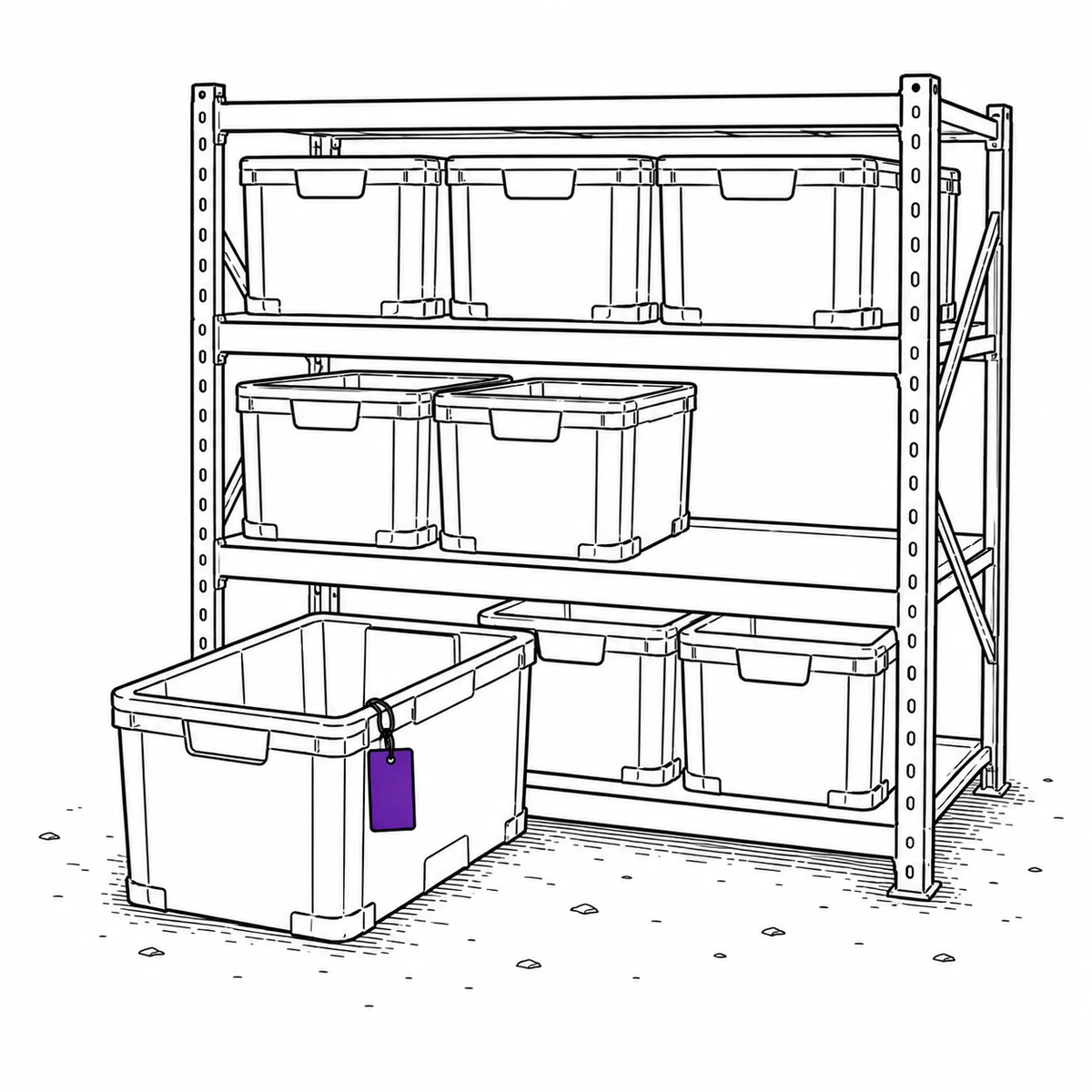
The four reasons records and reality differ
They look identical in the total and need completely different fixes.
Theft or loss
Custody was never recorded. Needs controls and accountability.
Unrecorded movement
The item exists, the location is stale. A process problem, not a security one — and the most commonly misdiagnosed of the four.
Unrecorded disposal
Something was scrapped and nobody updated the register. Needs a disposal procedure, and is not a loss at all.
Duplicate or missing records
The register itself is wrong, often from an import that ran twice.
Full count or cycle counting
A full count checks everything at once, usually annually, and usually requires stopping normal operations. It gives a clean point-in-time picture and it is what external auditors tend to expect.
Cycle counting checks a subset continuously — high-value items quarterly, everything else once a year, on a rolling schedule. It finds problems sooner, costs less disruption, and is generally the better operational choice. Many organisations do both: cycle counts through the year, one reconciliation at year end.
Make the audit cheap enough to repeat
The reason audits get skipped is that they are painful. Two things reduce the pain most: labels that can be scanned rather than transcribed, and a register organised by location so a counter can work through one room at a time and see what should be there.
If an audit takes a week of several people's time, it will happen once and then stop. If it takes an afternoon per area, it will actually recur.
What goes wrong without it
An organisation that never audits does not know its own loss rate, so it cannot tell whether equipment is walking out of the door or simply being recorded badly — and it treats both the same way.
How Itefy handles it
Itefy makes counting a scan-and-confirm job: filter the register by location, then scan QR labels to verify what is actually there. Read more.