
← Equipment management glossary
Also called: equipment tracking system, equipment management system.
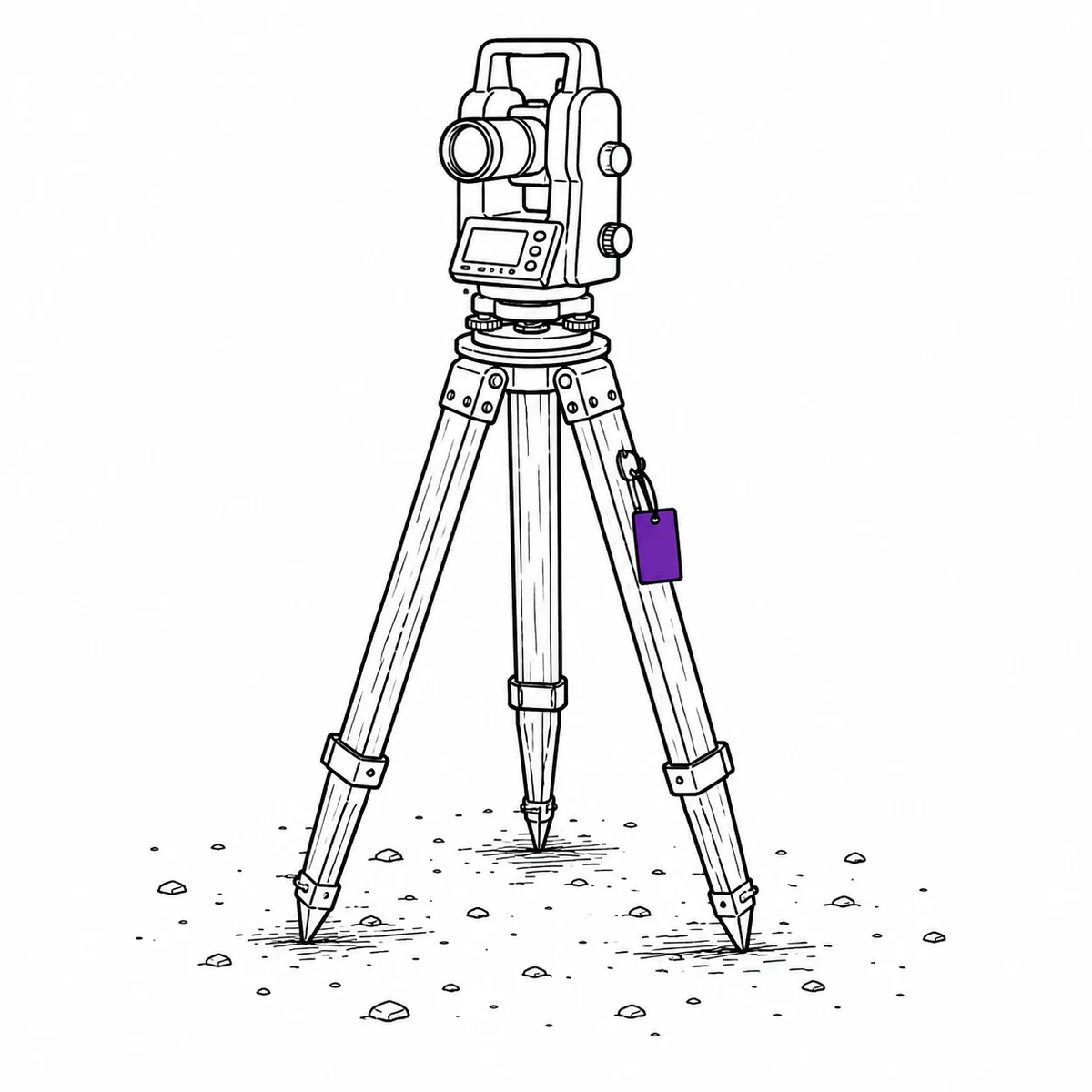
The sheet said the theodolite was in the store. It had been on a job in Derby since Tuesday. The sheet was right on the day somebody typed it.
A list records state. A system records events and derives state from them. That one difference is most of what you are actually buying.
What separates a system from a list
Records state
Correct at the moment someone types it, and silently wrong from then on. Availability is a human reading rows and drawing a conclusion.
Records events
Prevents two people booking the same item. Notices a due date passing on its own. Notifies without anyone composing an email. Keeps history rather than overwriting it.
state is derived, not typedThat difference is why a system can answer questions a list cannot: what is overdue right now, which items sat idle all quarter, what this machine has cost in repairs since you bought it.
What to compare when choosing one
Beyond feature lists, three things predict whether a system will still be in use in a year. Whether the people who handle equipment can use it without training — usually meaning a phone and a label they can scan. Whether the pricing survives your growth, since per-admin and per-asset models tend to bite at renewal. And whether the whole workflow is included, or split into modules you discover you need later.
Hardware requirements are worth checking early. Systems built around barcode scanners or RFID readers carry a capital cost and a procurement cycle; systems built around printed QR codes and phone cameras do not.
What goes wrong without it
Choosing on feature count alone is how organisations end up with a capable system nobody uses, because the people who actually move equipment were never able to update it from where they stood.
How Itefy handles it
Itefy is a complete equipment inventory system on every plan tier — the tiers differ in capacity, not in whether you get the workflow. Read more.