
Church & Community Equipment Management
Sound, video, instruments, chairs and coffee makers — shared by many hands. Itefy keeps track of what you have, who borrowed it and what needs fixing before Sunday.
Key features:
- Borrowing with due dates
- Bookings for services & events
- Production gear kits
- Simple fault reporting
Nobody was to blame. That is what made it happen again.
Ten past nine, and the radio mic was not in the drawer. I asked around. Everybody was helpful. Somebody thought the youth group had taken it, somebody else was fairly sure it had come back. It had come back. It had come back to a different cupboard, in a different building, and the person who put it there was away that week. We used the handheld instead. The band played. Nobody out in the room knew a thing about it. And I stood at the back and worked out that I could not name one person who had done anything wrong.
Shared equipment in a volunteer organisation belongs to everybody, which is wonderful right up until the ten minutes when you need it.
Four places that goes wrong, and what actually changes them.
The person who bought it is the only one who knows.
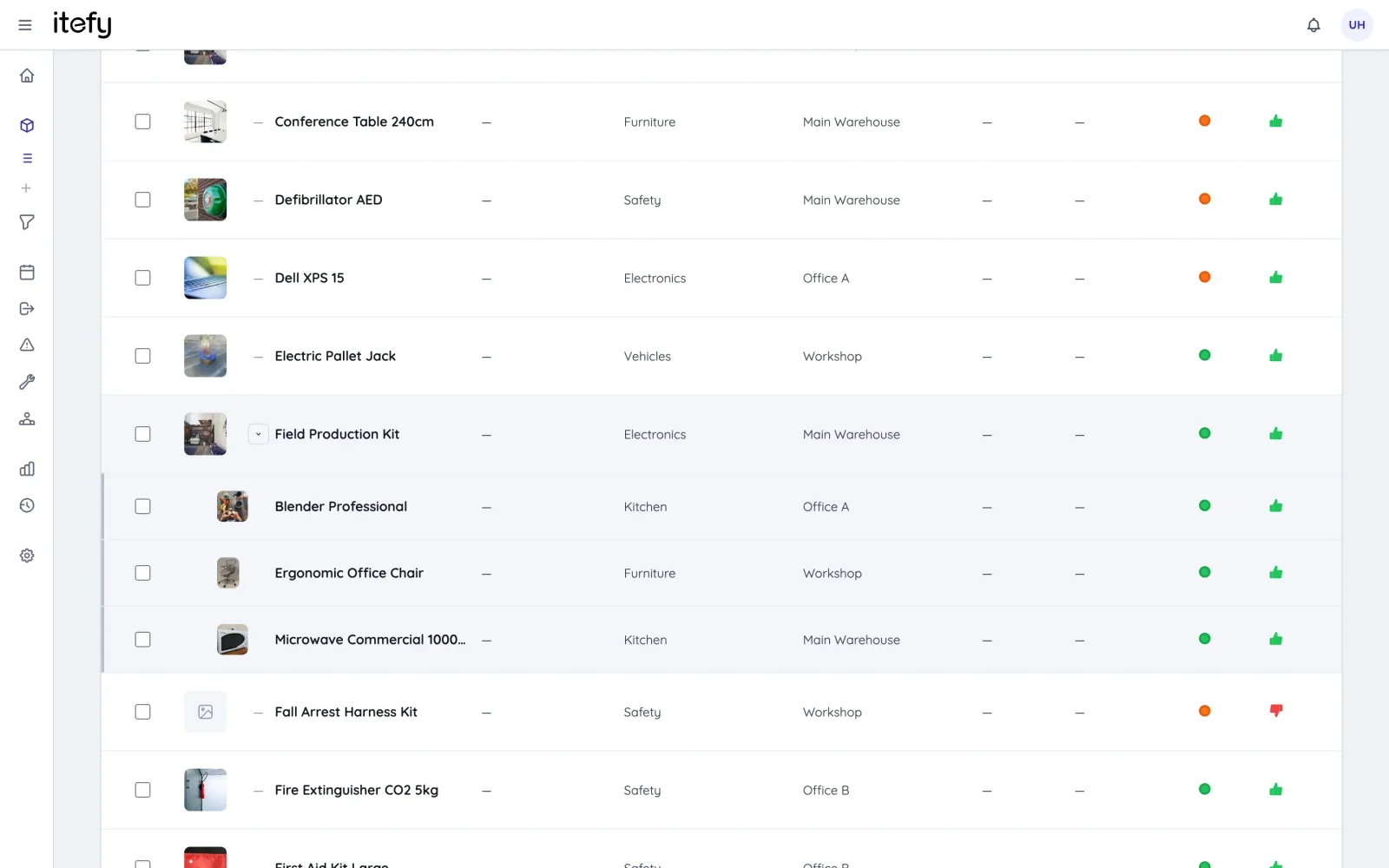
Gear accumulates over decades — donated, inherited, bought for one Christmas production — and lives in a cupboard whose contents are held in one person's head. When they move on, the knowledge goes with them. What actually fixes it: put it somewhere the organisation owns instead of somewhere a person remembers.
- Every item photographed, located and documented
- Kits for the livestream rig, the PA, the whole event package
- Kits nest, so a case inside a flight case is still one thing to book
- Works across buildings, halls and storage rooms
Chasing gear is nobody's favourite ministry.
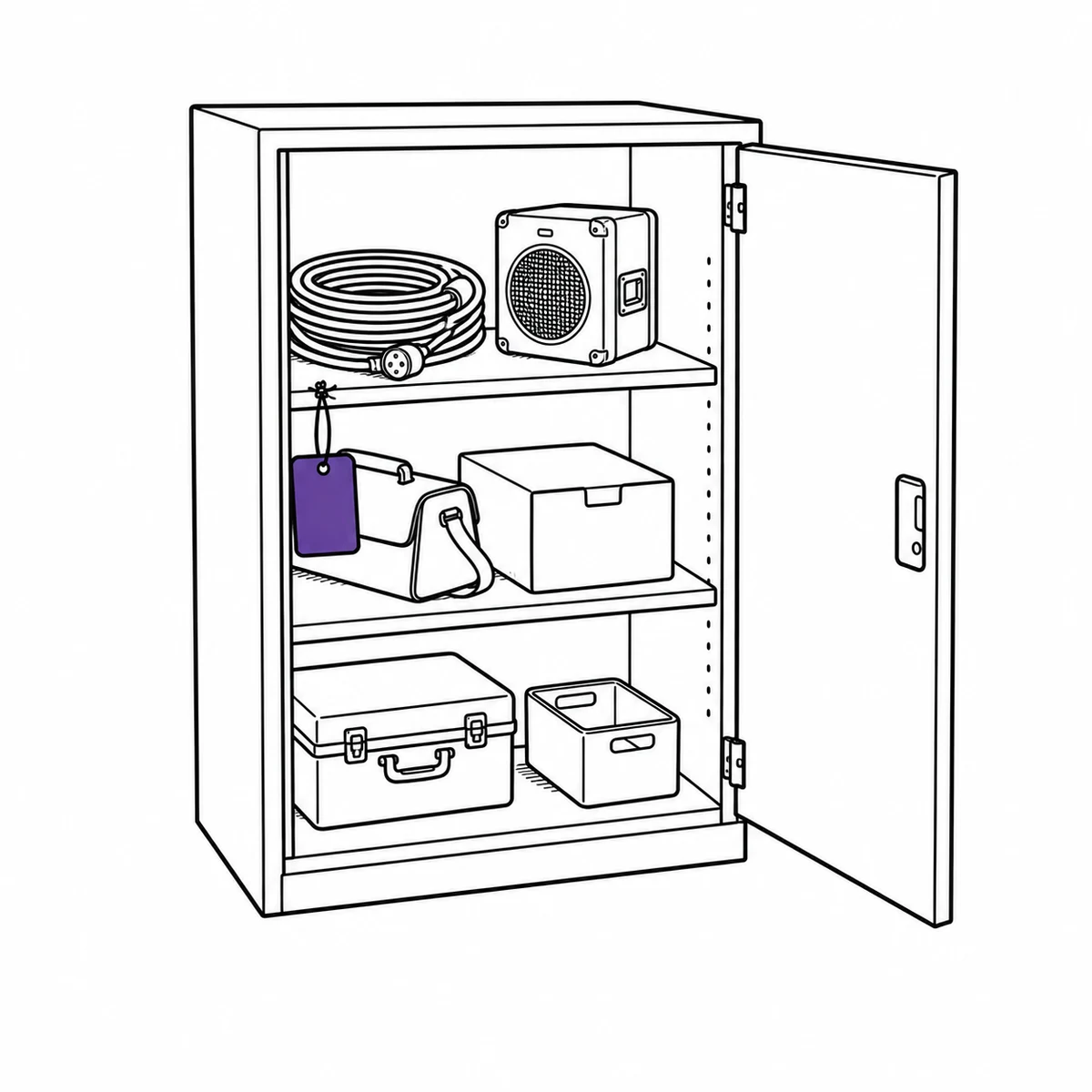
The projector went out for a house group, the speaker went to a school hall, and both are somewhere perfectly safe. Nobody wants to be the person sending the third message about it. What actually fixes it: write down who took it and when it is due, once, and let the reminders be the one doing the asking.
- Check gear out with a borrower and a return date
- Reminders before it is due, and again once it is late
- Borrowers can be contacts rather than users — no login needed
- The full lending history stays on the item
Two teams. One projector. Both were told yes.
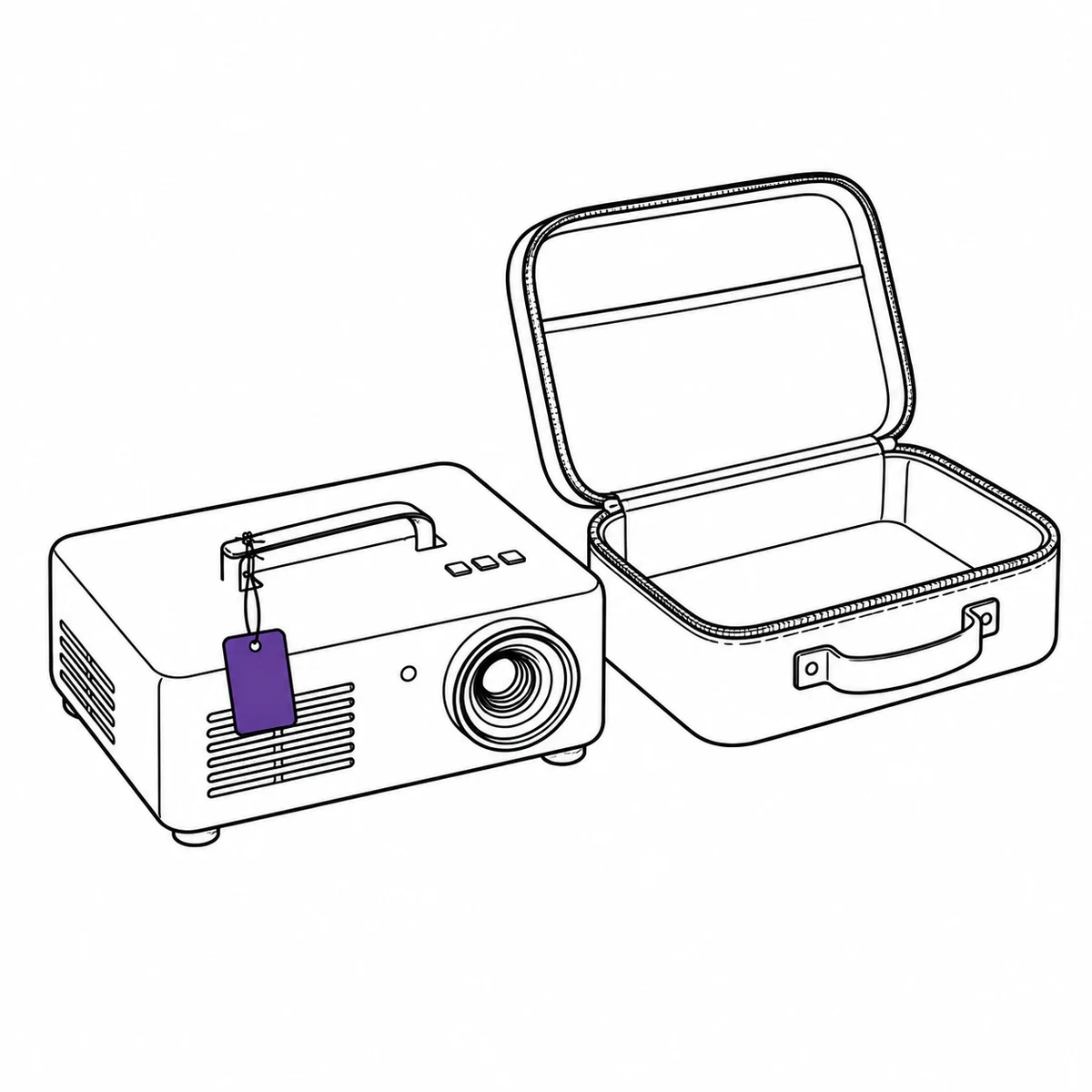
Sunday service, youth night, the concert and the conference all want equipment, and often the same equipment — but the promises are made in four different conversations by four different people. What actually fixes it: one calendar that refuses the second promise at the moment it is made.
- Reserve gear per event, visible to every team
- Recurring reservations for the weekly services
- Conflicts are refused when the booking is made, not discovered later
- Booking a kit takes everything inside it along
A dead microphone found at soundcheck is not a discovery.
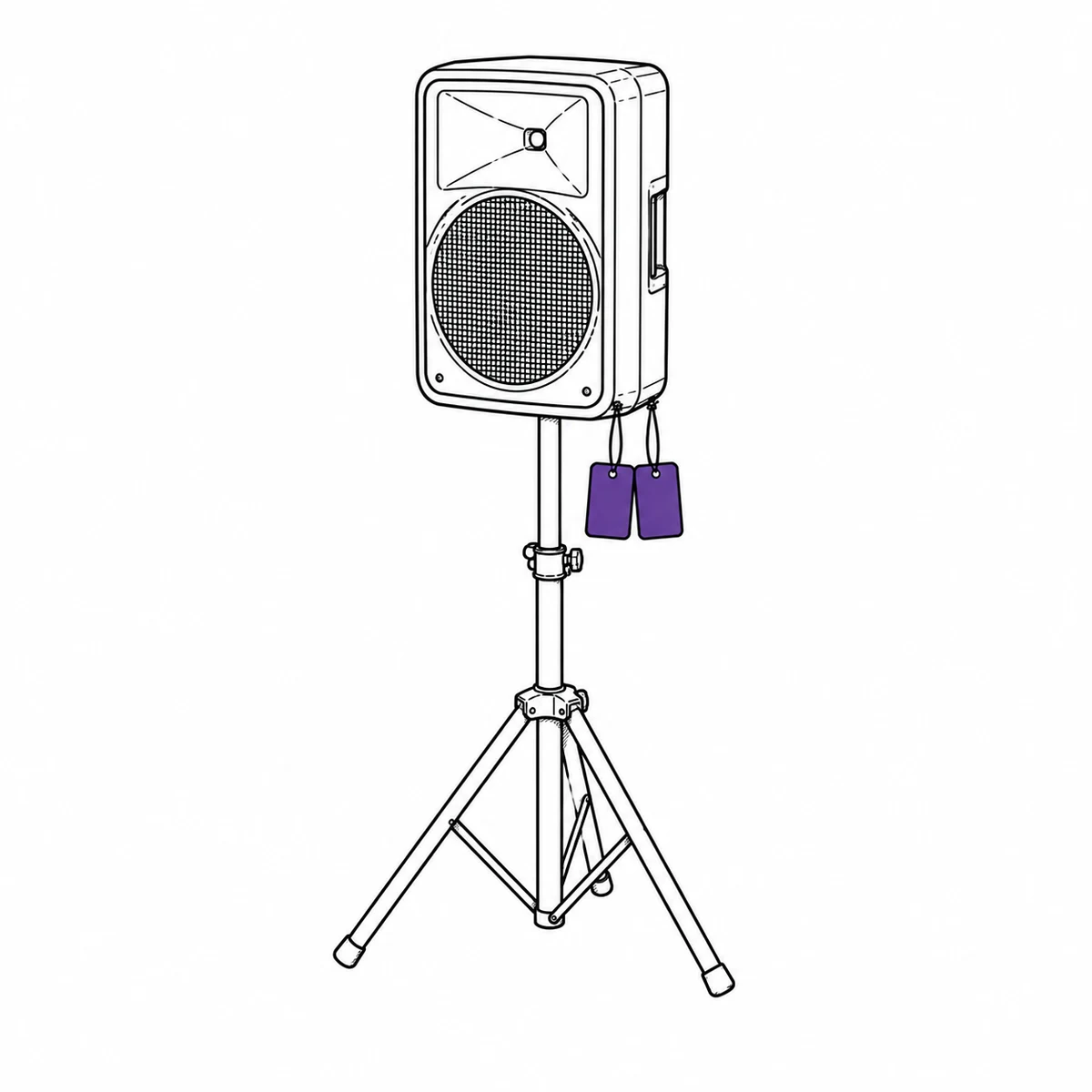
It failed a fortnight ago, in front of somebody who meant to mention it, and it has been sitting in the drawer looking exactly like a working one ever since. What actually fixes it: mark it the moment it fails, and let that mark travel with the thing.
- Report a fault from a phone, at the item, with photos
- Mark it inoperative and it can no longer be booked or checked out
- Repair and service bookings are exempt, so the fix can still be scheduled
- Simple recurring service for the gear that must not fail
What Itefy does not do
It is not self-service for a whole volunteer team. Plans include 3 to 20 user logins, and a church usually has more volunteers than that. The way this works is a handful of people holding logins and doing the checking out, with the borrower recorded as a contact — contacts are unlimited. You still know who has the projector; they just cannot serve themselves.
There is no batch scanning. A scan resolves one label and opens that item. A trolley of ten radio mics is ten scans, or one selection made on screen.
It does not know about your rota. No integration with Planning Center, ChurchSuite or anything similar. Itefy tracks the equipment, not the service plan or who is scheduled to run it.
There is no charity pricing. The plans on this page are the plans, and the smallest one is genuinely small. Better said here than found at checkout.
Friendly to volunteers and budgets
Who can do what
Each login gets exactly the permissions you decide — and borrowers need no login at all.
Easy start
Import an existing list from Excel, or add items with photos from a phone.
Itefy Go mobile app
Scan, borrow, return and report from a phone — for teams that don’t sit at desks.
Learn moreOn the rota calendar
Volunteers live in a shared calendar. Send the bookings there instead of asking them to check another system.
Learn morePlans & Pricing
- USD
- EUR
- NOK
-
Basic
N/Aper month, paid N/A- N/A items
- N/A locations
- N/A users included
- Extra seats N/A/month
- N/A GB storage
Core features
- Items, check-in & check-out
- Reservations & scheduling
- Calendar sync (Google, Outlook, Apple)
- Issues, maintenance & events
- QR labels & mobile app
- Public item pages
- Custom specifications
- Excel import & export
- Sign in with Google
-
Most popular
Startup
N/Aper month, paid N/A- N/A items
- N/A locations
- N/A users included
- Extra seats N/A/month
- N/A GB storage
Everything in Basic, plus
- Recurring reservations
- Kits
- Contacts
- Reports & insights
-
Business
N/Aper month, paid N/A- N/A items
- N/A locations
- N/A users included
- Extra seats N/A/month
- N/A GB storage
Everything in Startup, plus
- API access for custom integrations
- Up to 5 API keys
-
Enterprise
N/Aper month, paid N/A- N/A items
- N/A locations
- N/A users included
- Extra seats N/A/month
- N/A GB storage
Everything in Business, plus
- Up to 25 API keys
- Highest limits, built for large fleets
- Lowest extra-seat price
Take control of your equipment
Try every feature free for 14 days. No credit card, no obligations.